
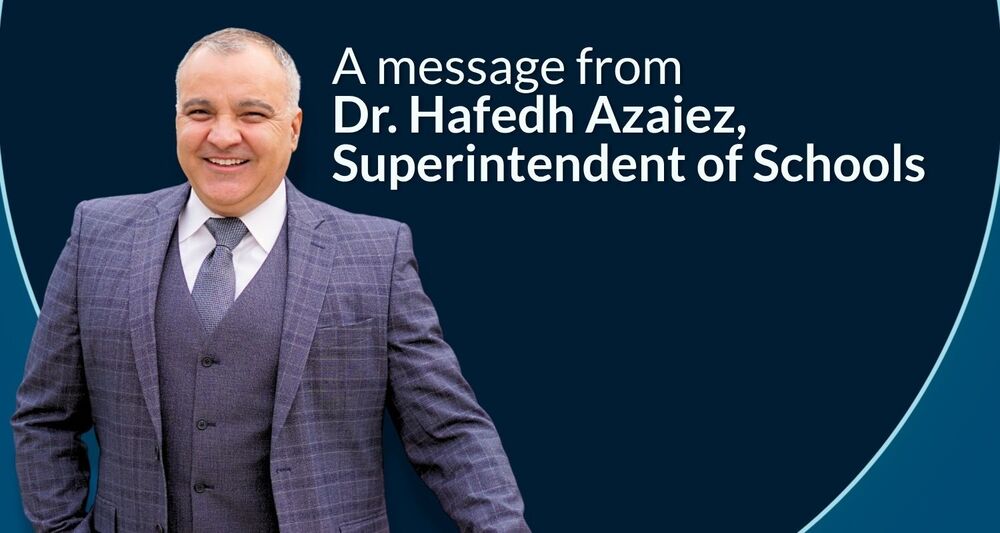
Dear Round Rock ISD Community,
Every day, our students have opportunities to share their ideas, hear different perspectives, work through problems and help make decisions together. These experiences help students understand how communities work, why every voice matters and how they can help shape the world around them.
Voting is one way students of all ages can learn about civic participation and how people have a voice in the decisions that affect their communities. In Round Rock ISD, these lessons take many forms, from classroom discussions about elections and government to hands-on activities that bring voting to life.
Our district invited our elementary students to vote on names for our monster mascots. At Jollyville Elementary School, the librarian turned the activity into a lesson about how voting works, why every vote matters and how people make decisions together.

Jollyville Elementary School librarian Ms. Pitner teaches students about voting and why every voice matters.
As students move into secondary school, those early concepts connect to more formal learning in social studies and government classes. Students explore how elections work, who represents them at the local, state and federal levels, and how to evaluate information, consider different perspectives and engage in respectful conversations. They learn not only how the government works, but how they can participate as informed citizens.
We also help students connect classroom learning with real-world opportunities. Our high school principals or their written designees help eligible students and school employees access voter registration applications. Students can register at 17 years and 10 months old if they will be 18 by Election Day.
Students can also gain firsthand experience by serving as election clerks at polling places during early voting or on Election Day. Eligible students as young as 16 can work alongside election officials, earn compensation and see the voting process in action.
These opportunities are about more than checking a box or learning a set of facts. They help students build confidence, ask thoughtful questions, evaluate information and understand that being part of a community comes with both opportunities and responsibilities.
It starts with us, and it starts with helping our students see the role they can play in shaping their communities and their future.